
15 days in... Azores! (Portugal)
- Joana Ribeiro Sabino

- Sep 14, 2018
- 17 min read

We are coming back to Portugal, but this time to one of its archipelagos, and those are Azores.
Azores, officially the Autonomous Region of the Azores, are a transcontinental archipelago and an autonomous territory of the Portuguese Republic, located in the north-east Atlantic.
The discovery of the archipelago of the Azores, is one of the most controversial. Genoese maps produced since 1351, which lead historians to affirm that those islands were already known on the return of the expeditions to the Canary Islands held around 1340-1345 during the reign of Afonso IV of Portugal. Others note that the discovery of the first islands (São Miguel, Santa Maria, Terceira) was carried out by seamen at the service of Infante D. Henrique, although there is no written document that confirms and proves this fact.
What is known concretely is that Gonçalo Velho arrived at the island of Santa Maria in 1431, resulting in the following years the discovery of the remaining islands of the Azores archipelago, in the sense of progression from east to west. A letter from Prince Henry, dated July 2, 1439 and addressed to his brother D. Pedro, is the first reliable reference to the exploration of the archipelago. By this time, the islands of Flores and Corvo had not yet been discovered, which would happen only around 1450, by Diogo de Teive. Meanwhile, Prince Henry, with the support of his sister D. Isabel of Portugal, Duchess of Burgundy, ordered the settlement of the island of Santa Maria.
The trip that I'm going to build it's going to be a little complex because it's a "supposed plan" to visit all the islands in 15 days. However, I know that this may be impossible to most of the travellers. But the intention of this blog its to give you an idea of what you can visit and what you find moor interesting ;) I'm going to slpit the trip between the islands like this; 1 day in Santa Maria, 2 days in São Miguel, 2 days in Terceira, 1 day in Graciosa, 2 days in São Jorge, 2 days in Pico, 2 days in Faial, 2 days in Flores and 1 day in Corvo. I choose 1 day for some islands case they are the smallest of the archipelago.
Santa Maria

The island of Santa Maria is located in the extreme south-east of the Azores archipelago, which is part of the Eastern Group. It has an area of 97.4 km ². Christopher Columbus climbed the island on the return of his first trip to America. Nowadays, the main pillar of support of the economy of the island is the aeronautical activity, with Santa Maria Airport and the Atlantic Air Control Center, which manages the FIR Oceanic of Santa Maria, one of the largest and most important regions of flight information in the world.
Accommodation
The average price of an Arbnb in this island is around 30 euros but you can find prices from 15 euros per night.
Transportation
In the Azores islands, the easiest thing to do is rent a car on each island. Santa Maria you can rent a medium car for 1 day with the average price of 30 euros. However, if you can't do this you have a bus company operating in this island by the name of TSM Transportes Santa Maria. You also have Taxis that are connected to the Central de Taxis de Santa Maria.
Attractions
This is my list for 1 day in Santa Maria if you can go to all this places. I will start from the most important ones in case you don't have time to do them all.
1 - Ribeira de Maloás
2 - Poço da Pedreira
3 - Santa Maria Museum
4 - Barreiro da Faneca
5 - Recreio de Valverde Forest Reserve
6 - Aveiro Waterfall
Photos of the Attractions


Video by; buchpetzer
Food
Caldo de Nabos
Is made with a local species of turnip, small and dark. In the water, there is also cooked the tuber, boil pork, sliced chorizo and sweet potatoes. The broth is poured into a dish, on top of slices of bread, and the remaining ingredients presented on a separate platter.

Biscoitos de Orelha
Designated by their format that looks like an ear.
Photo by; Azores Adventures
São Lourenço Vines
Island of wine tradition, however much abandoned, still has families to produce wine. The smell of the grapes grown inside enclosures of grey stone, for essentially domestic consumption. The brandy and the fruit liqueurs also have fame and tradition.
São Miguel

The Green Island because of the vast green meadows and forests that abound on the island. São Miguel is the largest island of the Azores archipelago. It is known for its volcanic landscape, flora and rich marine life, which includes whales. Ponta Delgada, the capital, is home to the 18th-century Doors of the City. Around the Furnas Lagoon, the inhabitants make stews with the geothermal heat. To the south-east of Furnas, 7 hills surround the village of Povoação, first settled in the 15th century. On the north side of the island, Tea Gorreana is a tea plantation founded in the nineteenth century. To the west lies the city of Ribeira Grande, with an extensive beach and an intense surf wave. The crater lake of Lagoa do Fogo is known for its intense blue waters. Ilhéu da Vila is a nature reserve on the island with a saltwater lagoon.
Accommodation
The average price of an Arbnb in this island is around 70 euros but you can find prices from 25 euros per night.
Transportation
Coming from Santa Maria island to São Miguel it can be made by boat or plane. There is only one ferry company in Santa Maria by the name of Atlanticoline. The ferry crossing from Ponta Delgada to Vila do Porto operates per week (I suggest you to take a look on its website and buy the tickets there), with estimated duration of about 3 hours. For two persons the ticket cost 63 euros. Or if you can't get the boat or prefer going on a flight, the tickets cost from 60 euros and the flight takes 25 minutes. On the island you can rent a medium size car around 40 euros for 2 days. The bus company's operating in this island are; Auto Viação Micaelense, Caetano, Raposo e Pereira and Varela e Companhia, LDA. You also have several Taxis company's.
Attractions
This is my list for 2 days in São Miguel if you can go to all this places. I will start from the most important ones in case you don't have time to do them all.
1 - Terra Nostra Park (Tickets 8 euros each).
2 - Poça da Dona Beija (Tickets 6 euros each).
3 - Caldeira Velha Natural Monument (Tickets 8 euros each).
4 - Ponta da Ferraria
5 - Carlos Machado Regional Museum (Tickets 2 euros each).
6 - Ponta Delgada City Doors
7 - Boca do Inferno View Point
8 - Nossa Senhora da Paz Hermitage
9 - Ferraria Hot-Springs
10 - Ponta do Sossego View Point
11 - Ponta do Arnel Lighthouse
12 - António Borges Garden
Photos of the Attractions


Video by; Motion Landscapes
Food

Cozido das Furnas
In Furnas, the pots that shelter the meats and vegetables of the stew are bagged and buried in the geothermal soil. Cooking takes about five hours. Before enjoying the unique taste of a dish prepared in the natural heat of the earth, it is worth watching the hoist of the stew, made by force of vigorous arms that pull ropes tied to the heavy pan.
Photo by; Sara Araújo Marques

Tea
Among the various industrial crops introduced in the Azores, tea is one of particular relevance. The plantations of Gorreana and Porto Formoso, which appear on the horizon as waves of green leaves, are unique in the European context. The visit to the museum factories, you can learn the history of cultivation and the evolution of the machinery used, before the well-deserved proof of the Azorean tea.
Cracas
Crustacean cooked in sea water.
Terceira
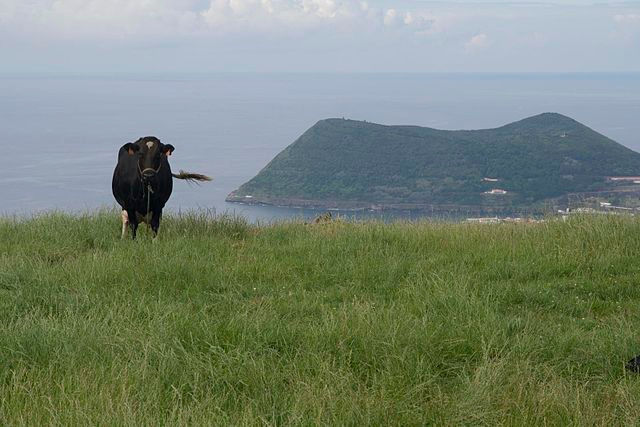
Lilac Island, because of the showy canyons of wisteria or lilacs. Terceira is part of the Central Group. Primarily denominated as Nosso Senhor Jesus Cristo das Terceiras Island, it was once the administrative center of the Terceira Island, as it was called the archipelago of the Azores. The Terceira name was a designation applied to the whole archipelago of the Azores since it was the third island discovered in Azores. With the advancing of the years this island happened to be known only by Island Terceira. Throughout its history, Terceira played a major role in the establishment and maintenance of the Portuguese Empire, due to its geostrategic location in the North Atlantic.
Accommodation
The average price of an Arbnb in this island is around 50 euros but you can find prices from 15 euros per night.
Transportation
Once again you can travel from São Miguel to Terceira by boat or plane. If you travel by boat, I suggest you check the website of Atlanticoline to do the check-in. It's the only one that seals between this two islands. A ticket for 2 passengers is 105 euros and it takes 6h. Since there is a high chance that you don't have a boat, the flight for two passengers will cost from 90 euros and it takes 40 minutes. Once in Terceira, renting a medium size car for 2 days will cost around 35 euros. The buses are only operated by one company named Empresa de Viação Terceirense. There is also several Taxi companies.
Attractions
This is my list for 2 days in Terceira if you can go to all this places. I will start from the most important ones in case you don't have time to do them all.
1 - Serra do Cume View Point
2 - Duque da Terceira Garden
3 - Angra do Heroísmo Museum (Tickets 2 euros each).
4 - Furnas do Enxofre
5 - Alto da Memória
6 - Angra do Heroísmo Historical Center
7 - OceanEmotion - Azores Whale Watching
8 - Os Montanheiros Association
9 - Angra do Heroísmo Sé
10 - São Sebastião Fort
11 - Misericórdia Church
12 - Capitães-Generais Palace
Photos of the Attractions


Video by; Toccara Best
Food
Alcatra
Usually beef, but also fish. The dish is typical because it is cooked slowly in a clay pot, to thicken and thicken the sauce composed of bacon, onion, garlic, bay leaf, pepper and wine, among other ingredients. It is usually accompanied by bread or soaked pasta. This method of cooking is also applied to other delicacies like chicken, beans, rabbit, octopus and fava beans.
Dona Amélia Cakes
Where sugar cane honey and cinnamon are associated with currants and citrons. Legend has it that the name of the cookie is associated with the passage of Queen D. Amelia by Terceira island.
Vinho Verdelho dos Biscoitos
The landscape of Biscoitos region is marked by the vineyards. From the grapes of the verdant variety, a specific type of wine is born, defended and divulged since 1993 by the Verdelho dos Biscoitos Wine Association. In Casa Agrícola Brum there is a Wine Museum, where the visitor has the privilege of sampling Chico Maria liqueur wine.
Graciosa

The white Island, because of the existence of many clear white rocks. Graciosa is an island located in the extreme north-west of the Central Group of the Azores, 37 km north-east of the island of São Jorge and 60 km north-west of Terceira. It has an approximate area of 60.66 km ² and roughly oval format, with 12.5 km of length and 7.5 km of maximum width. It is the least mountainous of the Azorean islands, reaching 405 meters of maximum altitude in the south edge of Caldeira. This low elevation gives the island a temperate oceanic climate, characterized by the lower rainfall of the archipelago. The low rainfall leads to the relative dryness of the island, which at the end of the season gives it a whitish hue. The town of Santa Cruz of Graciosa, whose historical center constitutes, by the wealth and balance of its architecture, a classified zone.
Accommodation
The average price of an Arbnb in this island is around 60 euros but you can find prices from 37 euros per night.
Transportation
Coming on a ferry from Terceira island to Graciosa its 58 euros for two passengers and it takes 03h:30m. But be careful, there are very few ferries that do this journey. I suggest once again to check Atlanticoline website. The flight from Terceira to Graciosa takes 30 minutes and the prices for 2 passengers are from 60 euros. Renting a medium size car in the islands its around 45 euros for 1 day. You can also take the bus of the only company of this island by the name Empresa de Transportes Coletivos da Ilha Graciosa. The Taxis are also a choice for you.
Attractions
This is my list for 1 day in Graciosa if you can go to all this places. I will start from the most important ones in case you don't have time to do them all.
1 - Graciosa Nautical Center
2 - Corpo Santo Fort
3 - Afonso Port
4 - Ponta do Carapacho Lighthouse
5 - Graciosa Museum (Tickets 1 euro each).
6 - Santa Cruz da Graciosa Playground
Photos of the Attractions


Video by; kosworld
Food The fresh fish harvested in the generous sea of the Azores is traditionally served in caldeiradas, or roasted. Garlic and Graciosa meloa have achieved gourmet status and are products of choice in various recipes.
Queijadas da Graciosa
Inspired by the centuries-old recipe from milk cobs.
Graciosa Wine
From the original verdelho variety, it endured the devastation of phylloxera. Nowadays, with the use of other varieties as well, the whites produced in a demarcated region remain good companions of the regional gastronomy. The brandy and the aperitif wines complement the range of native drinks.
São Jorge

Brown island, because the colour of Ponta dos Rosais rocks, the first one to be seen in its approach to the Orient. The island of São Jorge is located in the center of the Central Group of the Azores archipelago, separated from the island of Pico by a narrow 15 km, the channel of St. George. The island is 53 km long and 8 km wide, and it has total area of 237.59 km².
Accommodation
The average price of an Arbnb in this island is around 70 euros but you can find prices from 14 euros per night.
Transportation
The ferry from Graciosa to São Jorge takes 2h45 minutes sailing and the tickets for 2 passengers is 68 euros. However, once again you have the same problem as on the last ferry from Terceira to Graciosa. Make your check-in at Atlanticoline website because there is very few ferries. The flight costs from 90 euros to two passengers and it takes 1h35 minutes. Renting a car to drive on the island is around 30 euros for 2 days. There is bus on this island, however they are very few. So I Suggest going on foot and for longer journeys, take a Taxi.
Attractions
This is my list for 2 days in São Jorge if you can go to all this places. I will start from the most important ones in case you don't have time to do them all.
1 - Pico da Velha View Point
2 - Velas Natural Arc
3 - Ponta do Topo Lighthouse
4 - Fajã dos Cubres View Point
5 - Urzelina Rural Exhibition Center
Photos of the Attractions


Video by; João Ávila
Food
Queijo da Ilha de São Jorge
Will probably be the best known gastronomic product of the Azores. The Union of Agricultural and Dairy Cooperatives of São Jorge, located in Beira, is the home of the processes of healing, classification and certification of cheese produced on the island. The Denomination of Origin is only attributed to the copies that comply with the traditional ingredients and methods. It is believed that the production of cow's milk cheese dates back to the influences of the Flemish people who populated Topo. São Jorge Island Cheese, with a semi-soft or hard paste, has a slight spicy streak, is round and weighs 7 to 12 kilograms, usually being cut into wedges.
Amêijoas
They are another gastronomic marvel exclusive to São Jorge. The coastal lagoon is the only site in the Azores where there is this mollusc, characterized by unique fleshy dimensions, flavour and texture. The clam chow is conditioned and the snack can only be enjoyed in some restaurants.
Coffey
The microclimate of some fajãs allowed the appearance of agricultural rarities, like a plantation of coffee growers, a rare case in Europe: in the Fajã dos Vimes can be appreciated a coffee with taste and intense aroma, made with grains harvested locally.
Pico

Gray Island, because of its huge mountain very naked of vegetation, and great exposition of volcanic rocks, in the coast. Pico Island is the second largest island of the Azores Archipelago in the North Atlantic. It is 8.3 kilometres from Faial Island and 15 kilometres from São Jorge Island. It has a surface of 447 km ²; a coast line with 151.84 km long, a number of 31 islets between large and small. The island measures 42 km long by 20 km wide. It owes its name because of the majestic volcanic mountain, the Peak Mountain, which culminates in a pronounced peak, the Peak or Peak. This is the highest mountain in Portugal and the third largest mountain that emerges from the Atlantic, reaching 2,351 meters above sea level. Administratively, the island is made up of three counties: Lajes do Pico and Madalena, both with six parishes, and São Roque do Pico, with five parishes. It has, between the parishes of Santa Luzia and Bandeiras, a modern regional airport with direct air connections with Lisbon, Terceira and Ponta Delgada. It has daily sea connections with the city of Horta and the villages of Velas and Calheta. During the summer months it enjoys maritime connections with the remaining islands of the archipelago.
Accommodation
The average price of an Arbnb in this island is around 70 euros but you can find prices from 34 euros per night.
Transportation
From São Jorge to Pico there is moor ferries coming and going. However check Atlanticoline website because of the tides. You have 2 port options coming from São Jorge, São Roque, which it's the nearest and takes 50 minutes and Madalena that it takes 03h15 minutes and cost 25.50 euros for 2 passengers. Unfortunately I couldn't find the price for São Roque route. The flight from São Jorge to Pico costs from 90 euros and it as 1 scale flight. There is no direct flights, so you would have to do a scale in Ponta Delgada, that would take 2h10 minutes or Terceira witch will take 3h50 minutes. Once on the island, renting a medium size car will cost around 30 euros for 2 days. The bus company operating in Pico is Cristiano Limitada or you can call Taxi.
Attractions
This is my list for 2 days in Pico if you can go to all this places. I will start from the most important ones in case you don't have time to do them all.
1 - Pico Island Vineyard Culture Landscape
2 - Espaço Talassa
3 - Baleeiros Museum
4 - Tripix Azores
5 - Wine Museum
6 - Ponta do Arrife
7 - Ponta do Misterio
8 - Ponta da Ilha Lighthouse
9 - Whaling Industry Museum
10 - Arts Center and Sea Sciences
11 - Cachalotes and Squid Museum
12 - Ponta Rasa
Photos of the Attractions


Video by; Reployer
Food

Wine
Much appreciated throughout the Archipelago. Little by little, it is tried to recover the prestige of the wine from the verdelho grape variety, improving the production and innovating in the products. "Basalto", "Lajido" and "Terras de Lava" are Pico wines designations that refer to a man-nature relationship that the island very much appreciates. The Cooperativa Vitivinícola of Pico Island, in Areia Larga concentrates the local production, already based on new castes, and can be visited.
Photo by; Christer Johansson
Faial

Blue Island because of the amount of blue hydrangeas that line the roads and the pastures, and for being an island, since long, facing the sea. The island of Faial is located at the western end of Azores archipelago Central Group, separated from the island of Pico by a narrow sea arm of 8.3 km wide, known as the Faial channel. The island has the approximate shape of an irregular pentagon, 21 km long in the east-west direction and a maximum width of 14 km, which corresponds to an area of 172.43 km². This island is served by Horta Airport, with regular air links to the remaining islands and to outside of the archipelago. Horta Port was an important warehouse on the sea and air links and by submarine cable in the North Atlantic, maintaining a relevant activity as a commercial port and yacht stopover at the crossings between the American continent and Europe.
Accommodation
The average price of an Arbnb in this island is around 60 euros but you can find prices from 30 euros per night.
Transportation
Once again, the ferries from Pico island to Faial are very common. You have two ports available for you to do this in Pico; Madalena to Horta in Faial which is the closest one, it takes 30 minutes sailing and the tickets for 2 passengers will cost 10.50 euros. The other port is São Roque, the ticket for 2 passengers costs 28.50 euros and it takes 01h:30 minutes. Don't forget to check Atlanticoline website to check in! Even with moor ferries you still have the tides to worry about. The flight from Pico to Faial takes a lot moor time because there is no direct flights between these islands. The shortest one is 14h20 minutes, you hold have to go to Ponta Delgada, wait 11h50 minutes there and take the next flight to Horta. Ticket for two passengers are from 90 euros. Renting a medium size car in Faial it cost from 30 euros. I didn't find any correct information about the bus service on this island. So I will suggest, if possible, going on foot. I f you can't do this, the best option is a Taxi from, Associação de Taxistas do Faial.
Attractions
This is my list for 2 days in Faial if you can go to all this places. I will start from the most important ones in case you don't have time to do them all.
1 - Monte da Guia
2 - Ponta dos Capelinhos Lighthouse
3 - Scrimshaw Museum
4 - Azores Geo-park
5 - Ponta da Espalamaca
6 - Horta Museum
7 - Santa Cruz da Horta Fort
8 - Pim Harbor Aquarium - Live Fish Station (Tickets 4 euros each).
6 - Faial Botanic Garden (Tickets 4 euros each).
7 - Wale Fabric
8 - Nossa Senhora da Conceição View Point
9 - Ponta da Ribeirinha Lighthouse
10 - OMA Azores Sea Observatory
11 - Poço das Asas
12 - Charcos de Pedro Miguel
Photos of the Attractions


Video by; Portugal in 150 Seconds
Food
Polvo guisado
With wine, common in many Azores archipelago islands, is one of the most typical dishes of Faial.
Caldeirada
Its a very know Portuguese fish dish.
Morcelas and Linguiças
Serve as a snack or as a meal, when served with yams.
Flores

Pink island. Because of its exuberant azaleas, which proliferate in this land abundant in water. The island of Flores is located in Azores archipelago Western Group, on the North American Plate being the largest of the islands that make up that group. It occupies an area of 141.7 km², mostly consisting of mountainous terrain, characterized by large ravines and gigantic cliffs. The highest point of the island is the Morro Alto, at 914 meters of altitude. It is the westernmost point of Portugal and often considered as the westernmost point of Europe. One of the most beautiful archipelago islands, covering thousands of hydrangeas of blue colour, that divide the fields along the roads, in the banks of the streams and lagoons.
Accommodation
The average price of an Arbnb in this island is around 50 euros but you can find prices from 25 euros per night.
Transportation
I couldn't find any available ferry information at the time I did my research. There were no ferry's operation from Faial to Flores in these dates. But I know that this line is open between May 3 to September 29, but all depending on the tides! And I also know that an individual ticket its 80 euros. As always, if you want to do this trip by boat, check Atlanticoline website like I did ;) Most probably you will have to go on a plane, which it's from 60 euros a flight for 2 passengers and it takes 45 minutes. Renting a medium size car in Flores will cost around 50 euros for 2 days. For public transportation by bus you a company named UTC that works on this island. And also you have several taxi drivers to help you around the island.
Attractions
This is my list for 2 days in Flores if you can go to all this places. I will start from the most important ones in case you don't have time to do them all.
1 - Bordões Rock
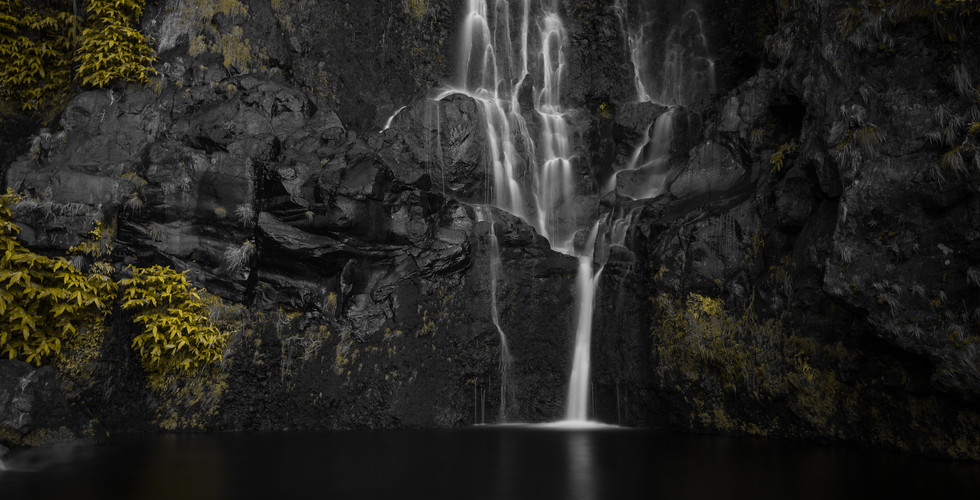
2 - Poço do Bacalhau Waterfall
3 - Enxaréus Cave
4 - Boqueirão Wale Fabric
5 - Galo Cave
6 - Flores Museum (Tickets 1 euro each)
7 - Caldeira do Mosteiro
8 - Fajã do Conde
9 - Monte das Cruzes View Point
10 - Poço Ribeira do Ferreiro (Alagoinha)
11 - Vigia Fajã Grande
12 - São Boaventura Convent
Photos of the Attractions




Video by; De mayor quiero ser mochilera
Corvo

Black island. Because of the smallness, translated in its visualization like a diminutive "black point" in the horizon, from the Flowers, and its tracery of walls of black stone. The smallest island in the Azores is 6.24 kilometres long and 3.99 kilometres wide. Its oval and elongated surface in a north-south direction occupies an area of 17.1 km2. Corvo constitutes the Western Group of the Archipelago in conjunction with the island of Flores, which is at a distance of 17.9 kilometres. The highest point of the island, at 720 m high.
Accommodation
I couldn't find any arbnb or booking accommodation for this island because its so small and beautiful! But it's possible to research on google and contact the owner information about the prices.
Transportation
Atlanticoline was multi-week ferries to Corvo departing from Flores. However, you do need to check the schedules and the information about the tides. The ferry tickets for this island are 20 euros each. There is also flights, but not every day! Pay attention to that. The tickets for 2 passengers are from 40 euros. The island is really small, so you will not have any problem crossing it on foot. To rent a car you would have to get one from Flores island and bring it on the ferry which will be moor expensive. There is no taxis or bus on this small island.
Attractions
This is my list for 1 da in Corvo if you can go to all this places. I will start from the most important ones in case you don't have time to do them all.
1 - Areia Beach
2 - Caldeirão
3 - Corvo Village
Photos of the Attractions


Video by; Joel Santos
And finally that's all. Its 9 islands! :O For that reason this post took me a bit moor to white... Also, this week I had my big brother birthday! Hay! Happy birthday bro! For this last reason I didn't research anything on he's birthday. I hope you enjoy and this post can help you to get some ideas if you plane on coming to Azores archipelago. Have a nice trip!
Joana Ribeiro Sabino


Comments